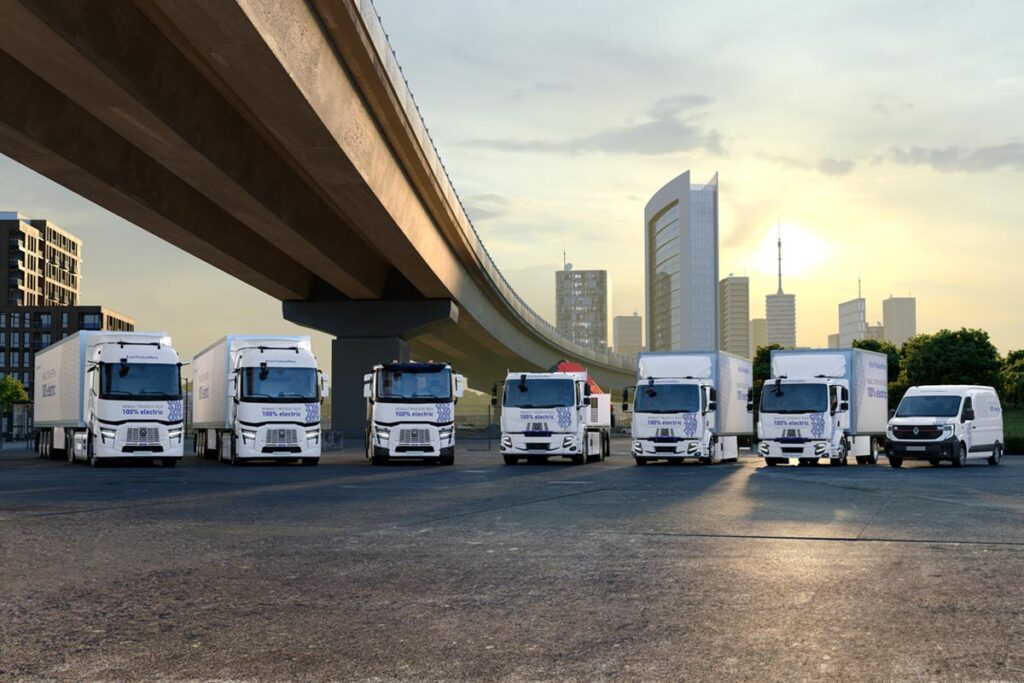
Over 1,300 UK haulage firms have disappeared in the past three years as industry pressures mount, raising fresh concerns over freight capacity, driver shortages and the resilience of Britain’s supply chains. SNAP Warns of Growing Supply Chain Risk as Another Long-Established Operator Enters Administration
The collapse of Lancashire-based J.M. Gorry & Son Limited, a family-run haulage business with more than 50 years of history, is the latest reminder of the growing pressures facing the UK’s road transport industry.
Having entered administration this month, the company joins an increasing list of freight operators forced to cease trading during 2026. Its closure follows the recent failures of T.M.S Service Provider Limited and S&B Haulage Ltd, highlighting a worrying trend across the sector.
According to the Road Haulage Association (RHA), almost 400 haulage businesses closed during 2025, following around 470 in 2024 and more than 500 in 2023. The trade body has already warned that insolvencies are likely to continue rising as operators battle increasing costs, higher interest rates, regulatory pressures and ongoing geopolitical disruption.
While every business closure represents a loss of jobs, investment and decades of expertise, the wider implications extend far beyond the transport industry.
Almost everything consumed in Britain spends part of its journey on a lorry. Around 81% of all domestic freight is moved by road, making haulage the backbone of the UK’s economy. From supermarket shelves and hospital supplies to construction materials and manufacturing components, road transport keeps businesses operating and communities supplied.
As more operators disappear from the market, concerns are growing over whether remaining fleets will be able to absorb demand particularly when the industry is already battling a long-term shortage of qualified HGV drivers.
Industry estimates continue to indicate that the UK requires tens of thousands of additional drivers to meet demand, while an ageing workforce and difficulties attracting younger people into the profession mean recruitment continues to lag behind demand.
The combination of shrinking haulage capacity and persistent driver shortages presents a significant challenge for supply chains.
Fewer transport companies mean fewer available vehicles, reduced flexibility during periods of disruption, increased pressure on remaining operators and ultimately higher transport costs that can filter through to businesses and consumers alike.
For drivers, the situation is equally concerning. As businesses come under increasing financial pressure, drivers often face longer journeys, tighter schedules and greater operational demands, making retention just as critical as recruitment.
SNAP believes the industry must focus not only on supporting transport businesses through challenging economic conditions, but also on improving the day-to-day experience of professional drivers.
By reducing unnecessary administration, helping fleets plan journeys more efficiently and giving drivers easier access to secure parking, welfare facilities and roadside services, operators can reduce costs while improving driver satisfaction and retention.
Nick Long, Head of UK Commercial at SNAP, said:
“Every time a haulage company closes its doors, we lose more than a fleet of vehicles. We lose decades of experience, skilled people and vital transport capacity that the UK’s supply chains rely on every single day.
“Businesses across the country depend on road freight, yet operators continue to face mounting financial pressures while also competing for a limited pool of professional drivers. Those two challenges together create a real risk for the resilience of our supply chains.
“Supporting the industry isn’t just about recruiting more drivers. It’s about making the profession more sustainable, helping operators work more efficiently and ensuring drivers have access to the facilities and technology they need to do their jobs safely and effectively.
“As an industry, we need to recognise that if haulage businesses continue to disappear at this rate, the consequences will eventually be felt far beyond transport. They will be felt by every business, every retailer and every household that depends on goods arriving where they’re needed.”
Through its digital platform, SNAP helps thousands of transport operators across the UK and Europe simplify journey planning, access secure truck parking, fuel, vehicle washing and roadside services, while supporting driver welfare and improving operational efficiency.
As economic pressures continue to reshape the freight sector, investment in efficiency, technology and driver support will become increasingly important in helping operators remain resilient and keeping Britain’s supply chains moving.